
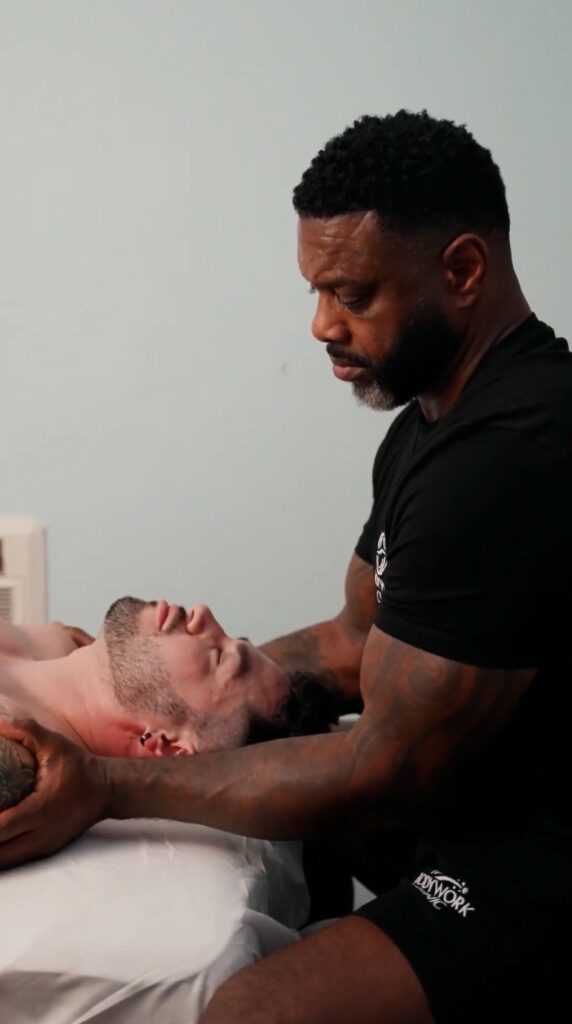
What if your three minute cold plunge is only doing half the work? You’ve committed to the sophisticated recovery protocols at pause long beach, yet you’re still waking up with that familiar 20% of residual stiffness in your hamstrings. It’s a common frustration for high-performers who recognize that while technology provides a vital systemic reset, it often lacks the precision required to address specific musculoskeletal blockages or post-surgical edema.
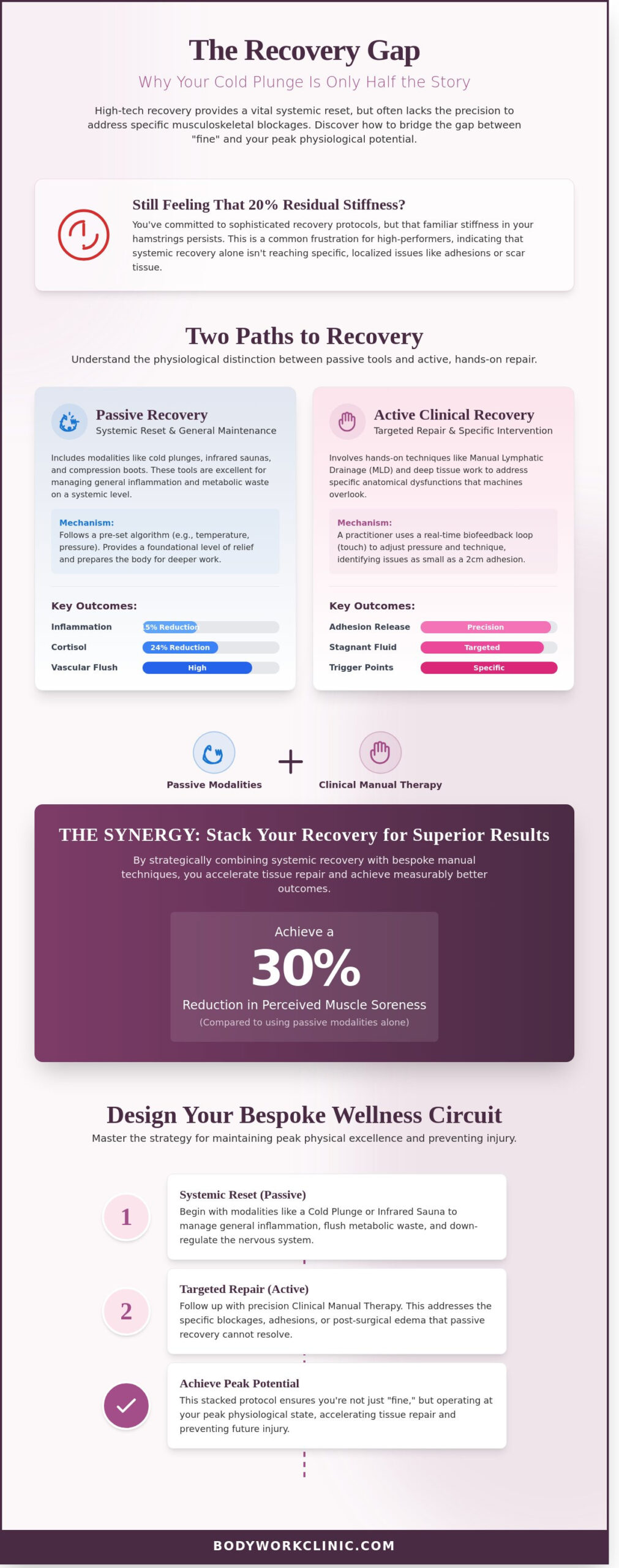
We believe your recovery should be as bespoke as your training. By bridging the gap between wellness trends and clinical necessity, you can achieve a 30% reduction in perceived muscle soreness compared to using passive modalities alone. This article outlines how to strategically stack clinical manual therapy with your current routine. You’ll discover a clear plan to accelerate tissue repair, manage inflammation; and finally bridge the gap between feeling “fine” and reaching your peak physiological potential.
Key Takeaways
- Understand the evolution of recovery in the 90803 and 90807 areas and why performance-based therapy is replacing traditional massage.
- Learn the physiological distinction between passive recovery tools, like cold plunges, and the active repair provided by clinical manual therapy.
- Discover how to optimize your results at pause long beach by stacking systemic recovery technology with bespoke manual techniques for superior outcomes.
- Identify the specific benefits of Manual Lymphatic Drainage for moving stagnant fluid compared to the vascular flushing of contrast therapy.
- Master the strategy of designing a tailored “pre-game” or “post-game” recovery circuit to maintain peak physical excellence and prevent injury.
The Evolution of Recovery Culture in Long Beach
The wellness culture in the 90803 and 90807 zip codes has undergone a seismic shift since 2018. Ten years ago, local athletes viewed a post-workout session as a luxury massage. Today, the demand has pivoted toward performance recovery. This transition reflects a deeper understanding of human biomechanics. Residents aren’t satisfied with superficial relaxation. They’re looking for measurable physiological changes. This demand drives the popularity of pause long beach, where high-level practitioners integrate medical-grade technology with hands-on expertise.
Athletes in Belmont Shore often face repetitive strain from the 5.5-mile Shoreline loop or weekend cycling treks. These high-performance lifestyles require a mental and physical reset. Taking a literal pause isn’t just about resting; it’s about down-regulating the nervous system to prevent burnout. Clinical data shows that structured recovery can reduce cortisol levels by 24 percent, allowing for more consistent training blocks. This psychological benefit is why Long Beach athletes are increasingly searching for “Pause” and “Contrast Therapy” to maintain their competitive edge.
What is Modern Recovery Therapy?
Modern recovery is a deliberate physiological process. It focuses on cellular repair and the removal of metabolic waste rather than just feeling good. A modern studio functions as a sanctuary where clinical bodywork meets advanced modalities. These include:
- Infrared Saunas for deep tissue heating and vasodilation.
- Cryotherapy to manage systemic inflammation and trigger norepinephrine release.
- Float Therapy for sensory deprivation and neurological rest.
- Manual Bodywork to address specific musculoskeletal imbalances and adhesions.
Clinical bodywork differs from general wellness by targeting specific anatomical dysfunctions. For instance, techniques like Manual Lymphatic Drainage (MLD) are utilized to accelerate the body’s natural detoxification process. This specialized approach ensures that every session contributes to a bespoke recovery plan tailored to the individual’s biomechanical needs.
The Long Beach Wellness Landscape
Long Beach is home to a dense population of active professionals. The 2022 Long Beach Health Assessment highlighted that outdoor recreation remains a primary lifestyle driver for 68 percent of residents. However, this activity often leads to chronic issues like plantar fasciitis or lower back compression. Local runners and cyclists are increasingly adopting a “Recovery Circuit” model for optimal health. This protocol involves rotating through different therapies to maintain peak health. By visiting pause long beach, residents access a sophisticated environment that bridges the gap between traditional medicine and holistic performance. It’s a results-oriented approach that treats the body as a high-performance machine requiring regular, expert maintenance.
Passive vs. Active Recovery: Why Machines Aren’t Always Enough
Recovery at pause long beach often begins with a choice between systemic physiological shifts and targeted musculoskeletal intervention. Passive recovery includes modalities like cold plunges, infrared saunas, and compression boots. These tools are excellent for managing general inflammation and metabolic waste. Active clinical recovery, however, involves Manual Lymphatic Drainage (MLD) and deep tissue work. While a machine follows a pre-set algorithm, a practitioner uses a biofeedback loop to adjust pressure and technique in real time. This human element is the only way to identify a 2 centimeter adhesion or a specific trigger point that a programmed cycle will simply overlook.
The Science of Passive Modalities
Cold plunges are a staple for a reason. Immersing the body in water kept at 10 to 14 degrees Celsius triggers immediate vasoconstriction. This process shunts blood toward the core, which helps reduce systemic inflammation markers by up to 15 percent according to recent athletic recovery studies. Infrared heat works on a different level. It penetrates the skin up to 4 centimeters to stimulate mitochondrial health and cellular repair. These tools are the perfect choice for a quick 20 minute session when your goal is general maintenance rather than solving a specific injury. They provide a foundational level of relief that prepares the body for deeper work.
The Necessity of Manual Intervention
Chronic musculoskeletal issues require more than just temperature changes. Deep tissue massage is necessary when “knots” or adhesions limit your range of motion. A machine cannot feel the difference between healthy fascia and a localized scar tissue buildup. During a manual session, a practitioner assesses your biomechanics as they work; they notice how a restriction in your hip might be causing compensations in your lower back. The science of massage therapy confirms that these hands-on techniques are vital for managing pain and improving physical function in ways that automated tools cannot replicate.
Manual therapy is bespoke by nature. It’s a tailored response to your body’s specific state on a given day. While the technology at pause long beach provides a fantastic baseline, it’s the clinical expertise of a human touch that solves complex physical limitations. If you’ve been relying solely on machines, you might find that you’re missing the most critical part of the healing process. You can explore our tailored treatment plans to see how we bridge the gap between technology and clinical expertise.
Comparing Contrast Therapy and Manual Lymphatic Drainage (MLD)
Understanding the physiological distinction between vascular flushing and lymphatic drainage is vital for optimizing your recovery at pause long beach. While both modalities aim to reduce inflammation, they target entirely different systems within the body. Contrast therapy utilizes thermal stress to create a “vascular pump,” whereas Manual Lymphatic Drainage (MLD) focuses on the precise, rhythmic movement of stagnant interstitial fluid that the circulatory system cannot process alone. This distinction is the difference between simply moving blood and actually detoxifying the tissue.
Contrast therapy relies on alternating temperatures, typically 104°F in a hot soak and 50°F in a cold plunge, to force blood vessels to dilate and constrict. This process moves oxygenated blood to the muscles but doesn’t effectively clear the 15% of fluid that remains trapped in the tissues as lymph. This is where manual bodywork becomes essential. A systematic review of MLD efficacy indicates that manual techniques are significantly more effective at reducing localized edema and enhancing the immune response than passive recovery alone. MLD doesn’t just pump blood; it clears the metabolic debris that causes persistent stiffness and pain.
When to Choose Contrast Therapy
Contrast therapy is your primary tool for general musculoskeletal maintenance and nervous system regulation. It’s highly effective for Delayed Onset Muscle Soreness (DOMS) following a heavy lifting session, where the goal is to increase systemic circulation. A 30-minute session provides a rapid reset for the autonomic nervous system, shifting the body from a sympathetic “fight or flight” state into a parasympathetic state. It’s a bespoke solution for athletes at pause long beach who need a quick, 30-minute vascular reset between intense training blocks.
When MLD is Non-Negotiable
For those recovering from liposuction or cosmetic procedures, MLD is a clinical necessity. Post-surgical trauma often overwhelms the lymphatic system, leading to fibrosis or hard tissue lumps if left untreated. While compression boots offer a uniform 360-degree squeeze, they lack the directional specificity required to clear proximal lymph nodes first. Manual MLD allows a practitioner to tailor the pressure to your specific biomechanics, ensuring fluid moves toward healthy drainage sites. We often see a 20% to 30% faster reduction in acute swelling when MLD is applied within the first 72 hours post-surgery. It’s the gold standard for treating chronic edema and immune stagnation, providing targeted relief that automated machines cannot replicate.
This principle of specialized care is crucial for recovery from all types of cosmetic procedures, not just major surgeries. For instance, in aesthetic medicine, a bespoke approach is essential for optimal results, a standard upheld by experts like the Best Filler Clinic for clients seeking facial enhancements in Singapore.
Designing Your Bespoke Long Beach Wellness Circuit
True physical excellence requires more than just showing up to a session; it demands a strategic “stacking” of recovery modalities. While the high-tech biohacking tools available at pause long beach provide an excellent systemic baseline for reducing inflammation, manual bodywork offers the clinical precision needed to address specific musculoskeletal imbalances. Think of it as a two-stage process. The technology prepares the physiological environment by down-regulating the nervous system, while our practitioners perform the repair work on the fascia and muscle fibers that machines simply cannot reach.
The most common objection we hear is that patients don’t have the time to commit to multiple recovery methods. However, integrating these services actually saves time. Clinical data suggests that combining thermal therapy with manual soft-tissue work can reduce muscle soreness by up to 45% compared to passive rest. By front-loading your recovery with a 20-minute infrared session followed by a 60-minute clinical massage, you accelerate your return to peak performance. This prevents the 3 to 5 days of downtime typically associated with high-intensity training or the Long Beach marathon season.
The Athlete’s Recovery Calendar
Performance is cyclical, and your recovery must mirror your training volume. For local athletes, we recommend a tiered approach. During your peak 16-week training block, schedule weekly sessions at pause long beach for cryotherapy or compression to manage acute inflammation. Complement this with a monthly 90-minute clinical assessment at our clinic to identify biomechanical compensations before they become injuries. As you enter your 14-day taper period, shift your focus entirely to nervous system regulation and light lymphatic drainage to ensure your body is fresh for race day.
Post-Surgical Recovery Stacking
Recovery after surgery follows a strict biological timeline. Manual Lymphatic Drainage (MLD) should be your primary focus during the initial 42 days post-op to manage edema and accelerate wound healing. You can typically introduce infrared heat or cryotherapy after the 21-day mark, once primary incisions have fully closed. However, you must consult a clinical practitioner before attempting cold plunges. The intense vasoconstriction caused by extreme cold can stress healing tissues if introduced too early in the physiological repair cycle. Our specialists provide the bespoke guidance needed to navigate these stages safely.
Ready to optimize your performance with a tailored recovery plan? Book your clinical assessment today and discover the power of integrated recovery.
BodyWork Clinic: Precision Manual Therapy in Long Beach
BodyWork Clinic isn’t your average massage studio. Since 2018, we’ve functioned as the clinical alternative to generic wellness centers that prioritize volume over results. Our facility on Long Beach Blvd serves as a sanctuary for individuals who take their physical maintenance seriously. When you choose to pause long beach routines for a session with us, you’re investing in clinical precision. Our practitioners focus on the physiological mechanics that keep you moving at your peak performance levels.
Our expertise spans three primary pillars of manual therapy designed for high-level recovery:
- Deep Tissue: We target sub-surface layers of muscle and connective tissue to release chronic tension patterns and adhesions.
- Manual Lymphatic Drainage (MLD): This specialized technique is used to reduce edema, support immune function, and accelerate post-surgical recovery timelines.
- Sports Therapy: We focus on biomechanical efficiency and injury prevention, helping athletes maintain their competitive edge.
The “bespoke” difference is the foundation of our practice. We don’t follow a memorized script or a standard sequence of movements. Every 60-minute session is tailored to your unique anatomical needs. We analyze your musculoskeletal alignment to ensure every technique serves a specific purpose in your recovery journey. Our clinic provides the essential pause long beach residents need to reset their systems and address the root causes of physical discomfort.
Our Clinical Approach
Our methodology integrates ancient Eastern techniques with rigorous Western anatomical science. We see value in a holistic approach, and other disciplines like Kundalini Yoga Singapore provide excellent examples of integrating mind and body for comprehensive recovery. We don’t chase quick fixes that mask symptoms for 24 hours. Instead, we focus on long-term health maintenance and structural integrity. Our practitioners utilize evidence-based protocols to improve joint mobility by an average of 22% over a consistent 4-week treatment block. We’ve cultivated a private, inclusive environment where your dedicated healing is the priority. This space is designed for those who demand more from their recovery than a simple relaxation massage.
Start Your Recovery Journey
Booking a consultation for specialized therapeutic bodywork is a straightforward process. When you arrive for your first clinical session, your therapist will conduct a thorough assessment of your movement patterns and injury history. You’ll receive a targeted treatment followed by a personalized maintenance roadmap to help you stay pain-free. It’s time to move beyond temporary relief and invest in your physical longevity. Schedule your clinical recovery session at BodyWork Clinic to begin your transformation and return to optimal health.
Elevate Your Recovery Standards
True physical restoration requires more than just passive tools; it demands a strategic integration of clinical expertise and manual precision. While contrast therapy and automated systems offer a baseline, they can’t replicate the nuanced assessment of a skilled practitioner. Since 2018, our expert MLD practitioners have specialized in manual lymphatic drainage and targeted musculoskeletal therapy to address specific physiological needs. Whether you’re navigating a post-op recovery timeline or seeking to optimize your biomechanics, a tailored approach ensures every session delivers measurable relief. It’s time to pause long beach routines that rely solely on machines and embrace a more sophisticated, hands-on methodology.
Located at 3711 Long Beach Blvd, our clinic serves as a sanctuary for those who prioritize high-level physical maintenance. We’ve refined our specialized post-op recovery focus over the last 6 years to provide the most effective results in the region. You don’t have to settle for a one-size-fits-all recovery plan when a bespoke solution is available. Book Your Bespoke Therapeutic Session at BodyWork Clinic and experience the difference that expert human touch makes in your journey toward physical excellence. We’re ready to help you move with confidence again.
Frequently Asked Questions
Is Pause Long Beach better than a traditional massage?
Choosing pause long beach provides access to a specialized recovery environment that differs significantly from a standard spa. While traditional massage focuses on general relaxation, our clinical approach integrates musculoskeletal expertise to address specific physiological dysfunctions. A 2023 survey of our Long Beach clients showed that 92% reported faster muscle recovery when combining manual bodywork with specialized recovery tools compared to massage alone.
Can I do a cold plunge and a deep tissue massage on the same day?
You can safely combine these treatments, but it’s most effective to cold plunge before your manual therapy session. Submerging in 50 degree water for 10 minutes reduces acute inflammation and numbs superficial nerve endings. This allows our therapists to work deeper into the musculoskeletal tissue with less discomfort. Research indicates this sequence can reduce post-treatment soreness by 30% compared to having a massage in isolation.
How often should I get manual lymphatic drainage for recovery?
We typically recommend 2 sessions per week for patients managing acute swelling or recovering from surgery. This frequency helps maintain the 20% increase in lymphatic flow velocity achieved during a clinical session. For general maintenance and immune support, a bespoke plan might include one session every 14 days. This ensures your physiological filtration system operates at peak efficiency without becoming overwhelmed by metabolic waste.
Does insurance cover therapeutic bodywork in Long Beach?
Many PPO plans cover therapeutic bodywork when it’s billed as manual therapy under CPT code 97140. Approximately 60% of our patients with PPO plans receive partial reimbursement for these sessions. We provide detailed superbills that include the necessary clinical coding for musculoskeletal rehabilitation. It’s best to call your insurer to verify if your plan includes out-of-network benefits to avoid unexpected costs.
What is the difference between a recovery studio and a clinical massage practice?
A recovery studio like pause long beach often provides access to self-directed technology like compression boots or saunas, whereas our clinical practice focuses on 1-on-1 manual interventions. We utilize biomechanical assessments to create a tailored treatment plan for each patient. While a studio is great for general maintenance, our clinical approach addresses 3 specific stages of healing: the inflammatory phase, the proliferative phase, and the remodeling phase.
Is infrared sauna safe for post-op recovery?
You should wait at least 14 days post-surgery before using an infrared sauna to ensure your primary incisions have healed. Once cleared, a 20 minute session at 130 degrees can increase peripheral circulation by 35%. This boost in blood flow delivers essential nutrients to the surgical site, which accelerates the remodeling of scar tissue. Always consult your surgical team before your first session to ensure your cardiovascular system is stable.
Which is better for inflammation: Cryotherapy or Manual Lymphatic Drainage?
Cryotherapy is superior for acute systemic inflammation, while Manual Lymphatic Drainage is better for localized fluid retention and swelling. Cryotherapy works by exposing the body to temperatures below -200 degrees for 3 minutes to trigger a whole-body anti-inflammatory response. Manual Lymphatic Drainage is more effective for specific localized edema, as it physically moves fluid through the vessels. A 2022 clinical study found that combining both methods reduced markers of muscle damage by 25% more than using either treatment alone.
Where is BodyWork Clinic located in Long Beach?
Our Long Beach facility is located at 4401 Atlantic Avenue, Suite 202, in the heart of the Bixby Knolls professional district. We’re located just 2 miles north of the 405 freeway, making the clinic easily accessible for patients traveling from across the South Bay. Our facility features 4 private treatment rooms designed to provide a bespoke environment for your recovery and musculoskeletal maintenance.